Western Crete: The Romantic Soul of Chania
With its 14th-century Venetian lighthouse, pastel naval mansions, and winding alleys filled with leather artisans, Chania is universally regarded as Greece’s most romantic coastal town. Stroll past Turkish minarets, Jewish quarter synogogues, and waterfront dining tables where fishermen land red mullets at twilight.
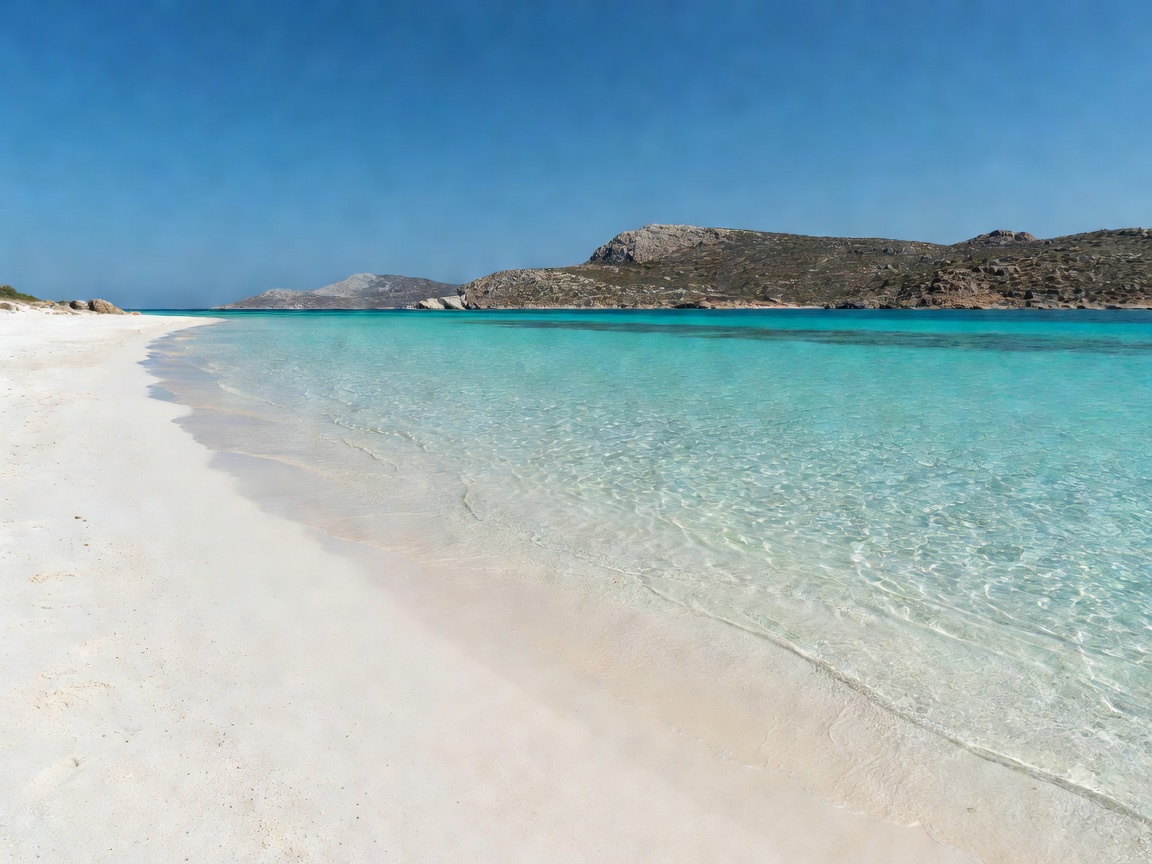
West of Chania, the coastline yields two of the world's most spectacular beaches:
- Balos Lagoon: A shallow basin of neon-cyan water flanked by the dramatic Cape Gramvousa rock.
- Elafonisi: Renowned for its powdery pink coral sands and tranquil cedar dunes protected as a Natura 2000 biosphere reserve.
The Minoan Labyrinth: Knossos Palace
Just outside Heraklion stands Knossos, the ceremonial nerve center of Minoan Bronze Age civilization and mythological home of King Minos and the Minotaur. Excavated by Sir Arthur Evans, the site displays vivid frescoes depicting bull-leaping rituals, dolphin sanctuaries, and ingenious architectural drainage systems built over 3,500 years ago.
The Cretan Diet: The World’s Benchmark for Longevity
Cretan cuisine is celebrated by nutritionists globally. Here, wild mountain herbs (horta), pure cold-pressed extra virgin olive oil, sheep's milk graviera cheese, and carob rusks form the core of every banquet. Always finish a meal with chilled tsikoudia (raki) offered complimentary by warm-hearted taverna proprietors.